Though I'm quite familiar with Pasadena, I still stop mid-stride at least once a week because of something I've never quite noticed before: a roofline, a porch detail, a clinker-brick wall catching the afternoon light just right.
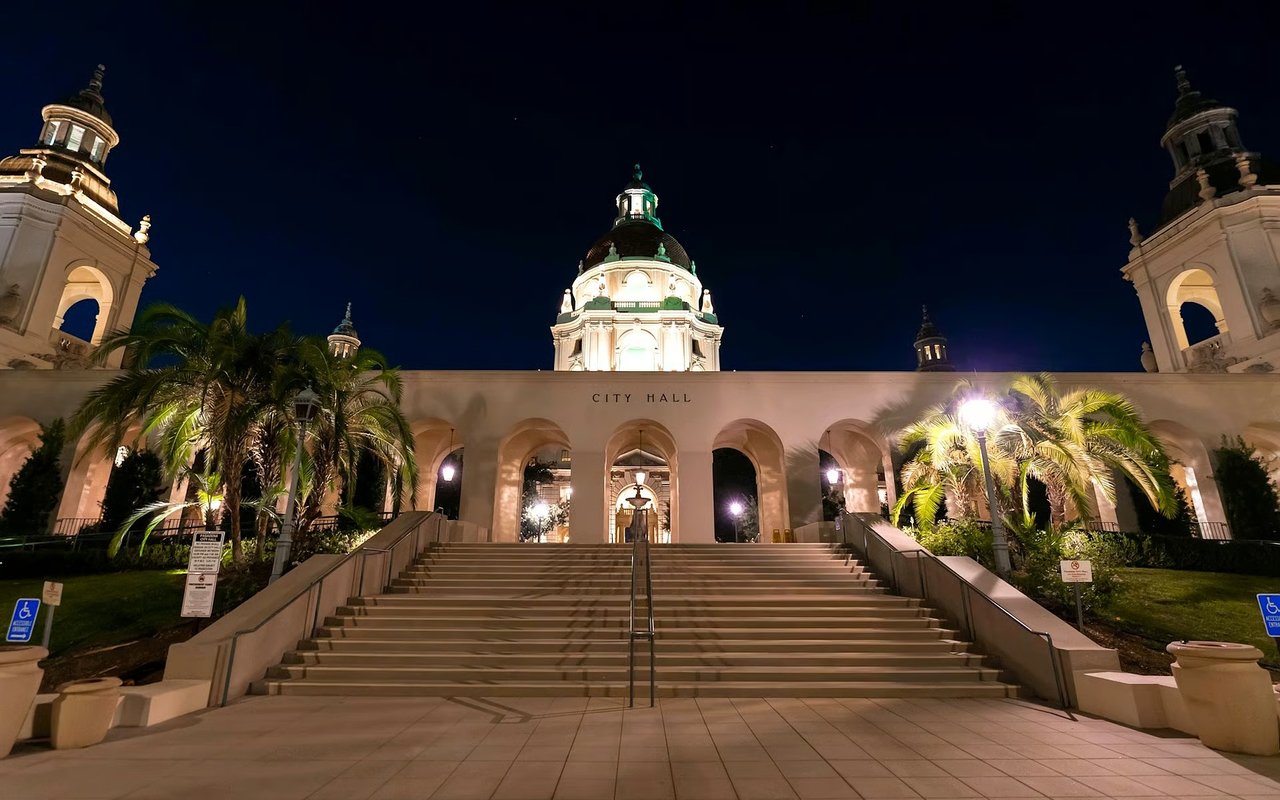
The city's architecture encompasses Craftsman bungalows from 1910, post-and-beam hillside experiments from 1947, a civic center anchored by a Mediterranean dome, and a Frank Gehry museum renovation — all within a few miles of each other.
If you have not yet taken a proper look at what this city has built over 130 years, this is the place to start.
Key Takeaways
-
Arroyo Terrace: Nine Greene & Greene houses, a continuous clinker-brick wall, and Charles Greene's personal residence on one of the most architecturally concentrated blocks in America
-
Bungalow Heaven: Approximately 800 Craftsman-era bungalows across 16 blocks — Pasadena's first Landmark District and an APA Great Neighborhood honoree
-
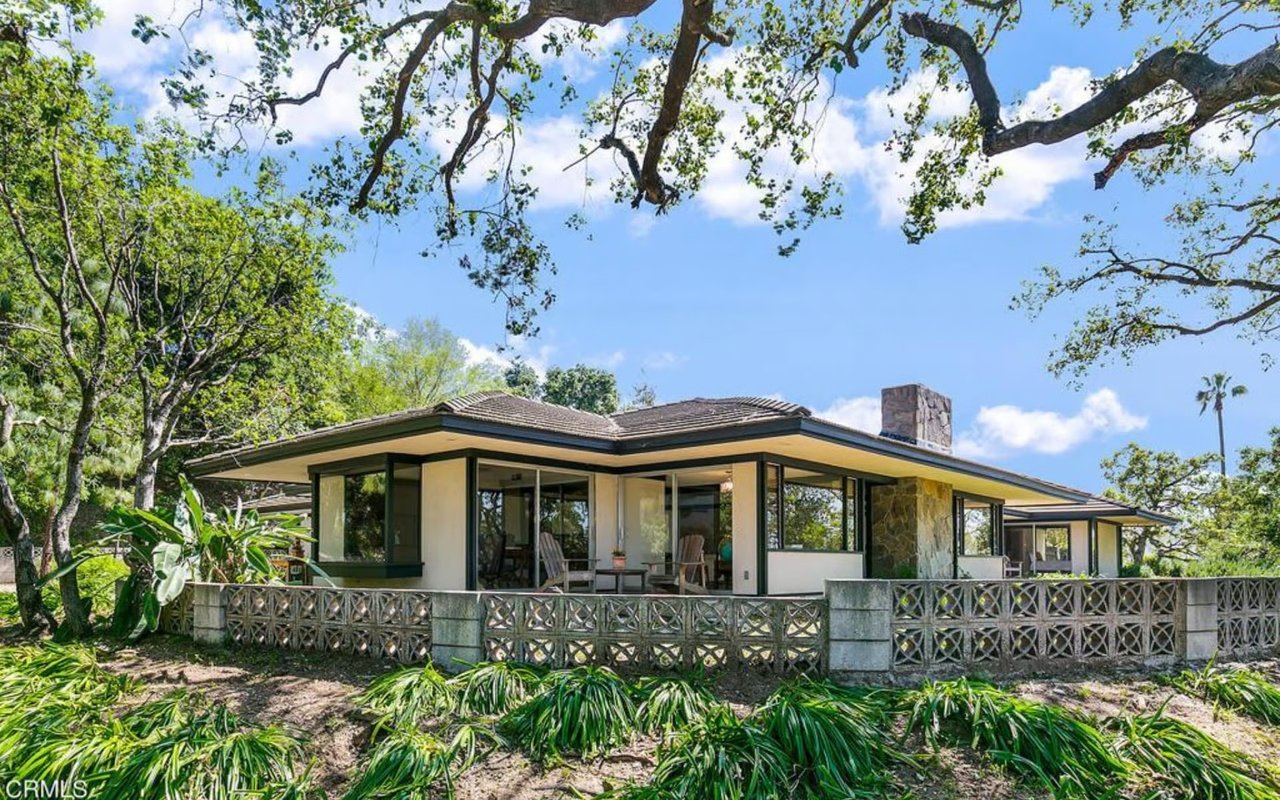
Mid-century modern: Case Study houses, Richard Neutra's spider-leg steel detailing, and Wallace Neff's gunite bubble house
Arroyo Terrace and the Greene & Greene Legacy
The nine Greene & Greene houses along Arroyo Terrace make it one of the most concentrated examples of Arts and Crafts architecture anywhere in the country.
What Makes Arroyo Terrace Worth a Slow Walk
-
The clinker-brick perimeter wall: A continuous wall of fire-darkened clinker brick runs along the street edge fronting several Greene & Greene homes
-
Charles Greene's personal residence at 368 Arroyo Terrace: Built in 1901 and expanded multiple times, the house is a record of ideas Greene tested on his own property before committing them to a client's commission
-
The Gamble House at 4 Westmoreland Place: Built in 1908 for David and Mary Gamble of Procter & Gamble, this National Historic Landmark is open for guided tours and is widely considered the most fully realized Arts and Crafts interior in America
-
Teak, ebony, and art glass throughout the Gamble House: The joinery was designed down to the furniture using multiple wood species and iridescent art glass
The Gamble House is open for guided tours, and walking one remains the clearest way to understand what made the brothers' approach so unusual.
Bungalow Heaven — 800 Bungalows and the City's First Landmark District
The 16-block area bounded by East Washington Avenue, East Orange Boulevard, North Mentor Avenue, and North Holliston Avenue contains approximately 800 bungalows, most built between 1905 and 1920.
What Sets These Bungalows Apart From the California Baseline
-
Exposed rafter tails at every eave: The defining Craftsman detail of visible rafter ends projecting past the roofline appears on every block
-
Clinker brick at foundation piers and chimneys: The same irregular dark brick from Arroyo Terrace appears here in a more modest application
-
A mature canopy of California live oaks and camphor trees: Century-old trees shade the sidewalks in a way no newly planted streetscape replicates
-
An 1888 Victorian holdout near the district's east end: The oldest documented house predates the bungalow boom by nearly two decades
Walking the perimeter on a weekend morning, when front porches are occupied, and the old tree canopy throws full shadow across the sidewalk, is one of the better free architectural experiences in Los Angeles County.
Mid-Century Modern — Hillside Experiments and Case Study Commissions
After World War II, Pasadena was largely built out at street level, pushing architects onto hillside lots and irregular parcels that conventional development had bypassed.
Mid-Century Pasadena Properties Worth Knowing by Name
-
Case Study House #10 (1947, Kemper Nomland Jr.): One of the earliest Arts & Architecture Case Study commissions, this house treated steel framing and plate glass as design vocabulary
-
Constance M. Perkins House (1955, Richard Neutra): Neutra's "spider leg" steel extensions reach past the building envelope to suggest weightlessness
-
The Wallace Neff Bubble House (1947): Built by spraying gunite concrete over an inflated rubberized balloon, this is one of only a handful of Neff's Airform houses still standing in Southern California
-
Buff, Straub & Hensman's Wirick House (1958): This post-and-beam commission built a low, horizontal language for Pasadena hillside living drawn from the Eames House vocabulary while engaging the Arroyo Seco's specific light
What separates the best of these houses from period counterparts elsewhere is how specifically each architect engaged the site: its grade, solar orientation, and view corridor.
FAQs
What makes the local architecture of Pasadena so distinct from other Southern California cities?
Pasadena accumulated architectural layers across a compressed geography — Arts and Crafts, Civic Revival, mid-century modern, and contemporary institutional buildings all within a few miles of each other.
Is the local architecture Pasadena is celebrated for primarily a preservation story, or does contemporary building still happen here?
The preservation story dominates because Pasadena's most significant architectural moments cluster in the 1900–1960 period, but contemporary infill continues throughout the city.
What is the best starting point for exploring Pasadena's architecture in a single day?
Arroyo Terrace and the Gamble House in the morning, Bungalow Heaven's perimeter before lunch, the civic core on foot in the early afternoon, and a self-guided drive through the Mid-Century Modern Houses Tour before the light changes.
Contact Jeannie Garr Roddy Today
Pasadena's architecture is one of the primary reasons properties here hold their value, and it's something I think about in every transaction.
If you're considering a move into or within Pasadena, I bring specific knowledge of how architectural character, landmark status, and historic district location translate into market position and long-term value.
Reach out to me,
Jeannie Garr Roddy, and let's talk about what the right property in this city looks like for you.